PRP Treatment
In Tribeca, NYC
At La Reservé Aesthetics and wellness, PRP (platelet-rich plasma) treatment uses a small sample of your own blood to help your skin repair and renew itself. Your provider separates the platelet-rich plasma and places it where your skin needs it most, such as the under-eyes, cheeks, neck or décolletage. It is a natural option for fine lines, crepey skin, scarring and rough texture, with little downtime.

What Is PRP?
Platelet-rich plasma is the part of your blood that holds a high concentration of platelets, the cells that drive clotting and healing. After a small blood draw, the sample is spun in a centrifuge to separate the plasma, which is then activated and placed into the treatment area. As the platelets release growth factors, they start the skin’s healing response and new collagen begins to form. Because PRP comes from your own body, it suits almost all skin tones and allergic reactions are very rare.

What Does PRP Treat?
PRP helps your skin rebuild collagen and repair itself. It treats:
-
Crepey skin around the eyes
-
Fine lines and wrinkles on the cheeks and mid-face
-
Acne scars and other scarring
-
Rough or uneven skin texture
-
Loss of firmness on the neck and jawline
-
Sun and age damage on the chest, hands and arms
How Your Treatment Plan Comes Together
Your plan is built around the areas you want to improve, such as the under-eyes, cheeks, mid-face, neck, jawline, chest or the backs of the hands. Most patients are advised to have 2 to 3 sessions, followed by a touch-up once a year to maintain results. PRP can also be paired with Microneedling, where the plasma is applied as the skin is treated, or planned alongside Salmon PDRN, Neurotoxins or Fillers when you want to address volume and expression lines too.

Preparing for Your Appointment
- Your Initial Consultation
Your consultation covers your goals, your health history and any medications you take. Your provider will confirm that PRP is right for you and map out the areas to treat.
- Caring for Skin Beforehand
Tell your provider if you take blood thinners or have taken oral steroids recently, since steroids should be stopped at least two weeks before treatment. Staying well hydrated and eating a normal meal beforehand helps the blood draw go smoothly.
- On the Day of Treatment
Arrive with clean skin, free of makeup and heavy skincare. Plan for about 45 minutes to an hour for the full visit, and allow a little extra time to settle in.
What to Expect During Treatment
- Planning Your Treatment Areas
Your provider reviews the areas you want to treat and explains each step, so you know what will happen before anything begins.
- Drawing and Preparing Your PRP
A small amount of blood, about 20cc, is drawn from your arm. That is far less than a blood donation. The sample is spun in a centrifuge to separate the platelet-rich plasma, which is then activated so it stays where it is placed.
- Numbing and Treatment
A numbing cream is applied to keep you comfortable. Your provider then places the PRP into each treatment area with fine injections. The full visit takes about 45 minutes to an hour.
- Finishing and Aftercare Guidance
Some redness, swelling or small bruises where the PRP was placed are normal. You will leave with aftercare instructions and a plan for your next sessions.
Schedule Your Consultation
Recovery and Aftercare
Downtime is short. Redness, swelling, mild bruising or tenderness at the injection sites usually settles within a few days. Keep the skin clean, skip makeup for the rest of the day and wear sunscreen while it heals. Your provider will tell you when to restart active skincare.
When You Will See Results
PRP works with your body’s own repair process, so results build gradually. Most patients notice a change at around 4 weeks, and texture and tone keep improving over the following 3 to 6 months. Results can last 18 to 24 months, and a yearly touch-up helps maintain them.
Who Is a Good Candidate?
-
Adults aged 18 to 80 who want natural-looking skin improvement
-
Patients with fine lines, crepey skin, scarring or rough texture
-
Men and women of all skin tones
-
People in good general health without a blood or platelet disorder
Benefits of PRP
Smoother Texture and Softer Scars
PRP improves rough texture and gives skin a more youthful feel. Acne scars and other scars can look softer as new collagen forms.
Softer Lines and Firmer Skin
Fine lines and wrinkles look less noticeable as your skin builds new collagen and elastin and gains thickness.
Fresher, Healthier-Looking Skin
Texture and tone keep improving for months after treatment, so your skin looks rested and refreshed without looking done.
Natural, Long Lasting Improvement
Because PRP comes from your own blood, the risk of allergy is very low, no general anesthesia is needed and recovery is short. Results can last up to two years.
PRP Pricing
In Tribeca, NYC
PRP treatment at La Reservé Aesthetics and wellness starts at $600 per session. Most patients plan for 2 to 3 sessions, and your final cost is confirmed at your consultation once your provider has mapped out your treatment areas.
Why Patients Choose Our Practice
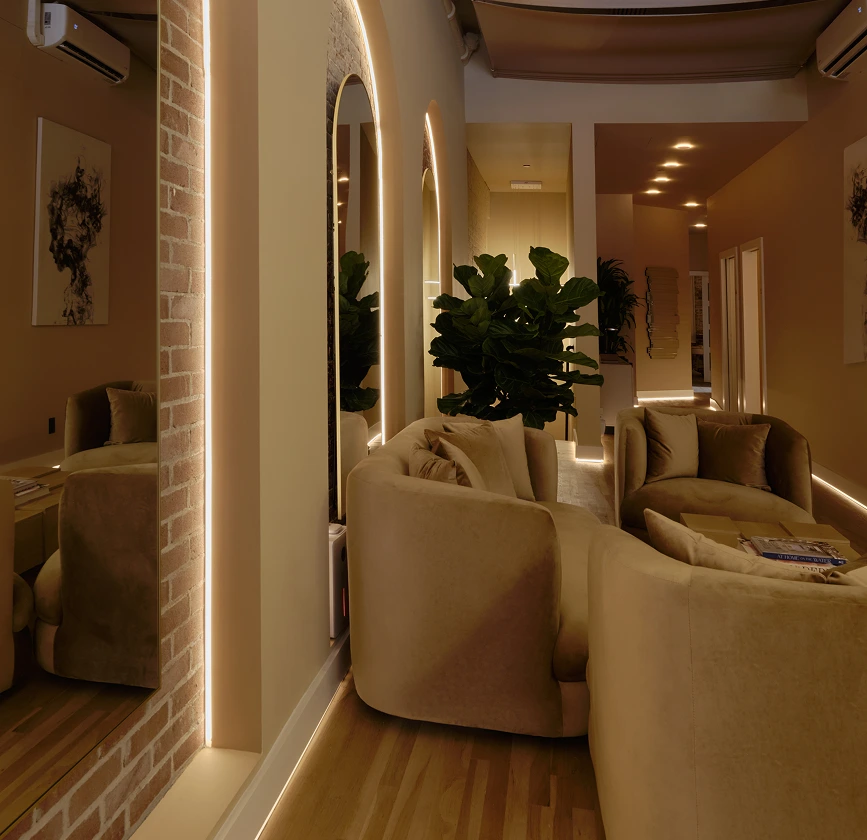
La Reservé Aesthetics and wellness offers a serene boutique setting in the heart of New York City, where board-certified practitioners with advanced training in facial aesthetics guide every treatment. Our team serves busy professionals and high profile clients who value privacy and natural, refined results.
Common Questions Answered
How many PRP sessions will I need?
Most patients are advised to have 2 to 3 sessions, though some need more. A touch-up once a year helps maintain your results.
Does PRP hurt?
Most patients find it very manageable. A numbing cream is applied first, and you may feel a quick pinch with each injection. Mild tenderness or bruising afterward is normal.
Is PRP safe for all skin tones?
Yes. Because PRP is made from your own blood, it suits almost all skin tones and is virtually allergy free.
Who should not have PRP?
PRP is not recommended for patients with an active infection, cancer or current chemotherapy, a blood or platelet disorder, chronic liver disease, or who take blood thinners or have used oral steroids in the last two weeks. Your provider reviews your health history at your consultation.
How long do PRP results last?
Current data shows results may last 18 to 24 months. Daily sunscreen, a good skincare routine and a yearly touch-up help you keep them.